

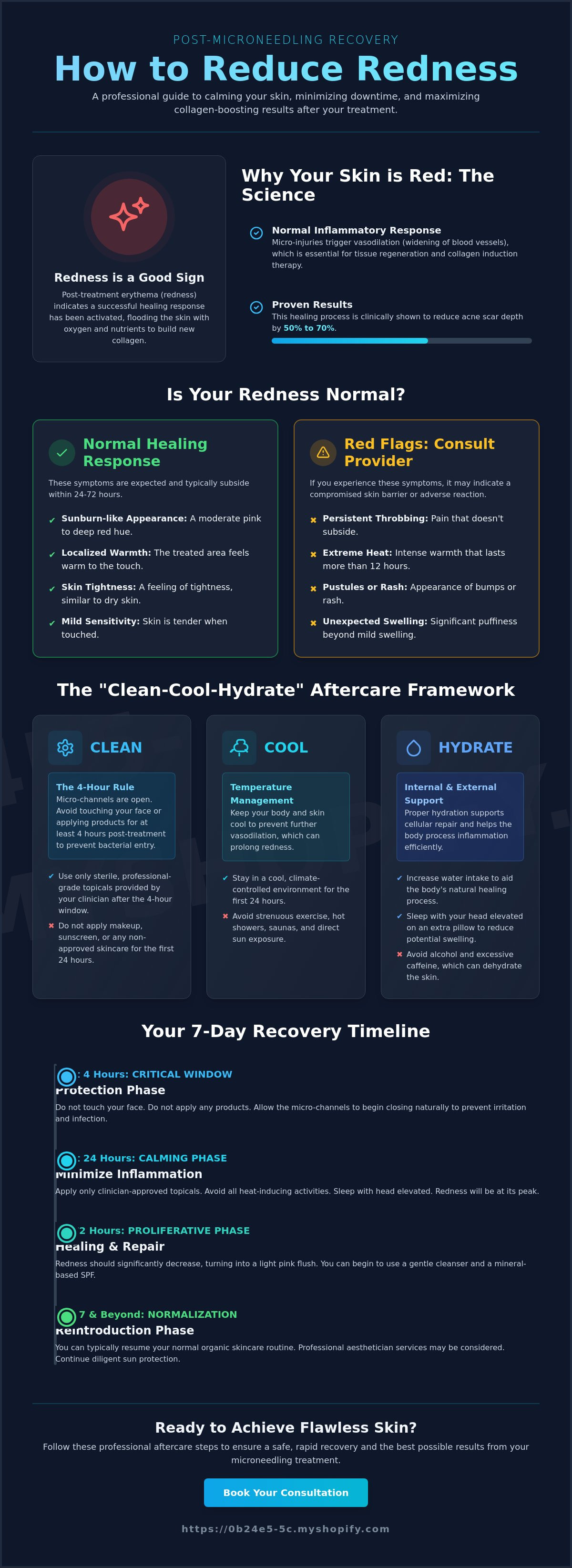
That intense, sunburn-like flush on your face isn't a sign of a failed treatment; it's the biological signal that your skin's healing response has been successfully activated. While clinical studies show this process can reduce acne scar depth by 50 to 70 percent, the immediate social anxiety caused by a bright red complexion is a valid concern for many patients. Understanding how to reduce redness after microneedling is essential for anyone looking to transition from the procedure room to public life within a 24 to 72 hour window.
You deserve to feel confident in your aftercare routine without the fear of causing permanent damage or using the wrong products. This 2026 recovery guide delivers professional-grade strategies and updated safety protocols to minimize post-procedure inflammation while maximizing your collagen-boosting results. We'll outline a functional "Clean-Cool-Hydrate" framework and review the latest FDA-cleared device standards to ensure your recovery is both rapid and safe. By following these actionable instructions, you can effectively manage the inflammatory phase and achieve the clear, rejuvenated skin you expect from your treatment.
Key Takeaways
- Learn why post-treatment erythema is a necessary biological response for collagen production and how to distinguish normal healing from a compromised skin barrier.
- Master the "4-hour rule" and specific temperature management techniques to understand exactly how to reduce redness after microneedling during the critical initial recovery phase.
- Follow a structured 7-day timeline that transitions from immediate protection to the safe reintroduction of organic skin care and professional aesthetician services.
- Discover how to adjust your aftercare for the Bradenton climate by using specific mineral blockers and hydration strategies to counter high humidity and UV exposure.
- Identify the specific "red flag" symptoms that indicate a need for professional consultation versus the standard inflammatory response expected after SkinPen or Morpheus8 treatments.
Understanding Erythema: Why Your Skin Turns Red After Microneedling
Post-treatment erythema is the clinical term for the redness you observe immediately following a procedure. It represents a natural inflammatory response to the controlled micro-injuries created during the session. When the needles penetrate the epidermis, the body initiates a defense mechanism. This process triggers vasodilation, which is the widening of blood vessels. This expansion allows a surge of oxygenated blood and essential healing nutrients to reach the skin's surface. While this results in a flushed appearance, it's a necessary step for tissue regeneration.
If you've undergone a treatment like Morpheus8, the initial redness may be more pronounced. This specific technology combines traditional needling with radiofrequency energy. The added thermal energy creates deeper coagulation in the dermal layers, which can extend the duration of the initial flush compared to standard treatments. Understanding these biological triggers helps patients determine how to reduce redness after microneedling by focusing on calming the vascular response rather than fighting a signal of damage.
The Science of Collagen Induction Therapy
The efficacy of this treatment relies on the principles of Collagen induction therapy. This biological cascade begins with the inflammatory phase, where the skin clears debris and starts the repair process. Within a few days, the skin enters the proliferative phase, where new collagen and elastin fibers are synthesized. This transition leads to the smoother, firmer skin texture patients expect. During the first four hours after treatment, the micro-channels remain open, creating a unique window of opportunity for the sterile absorption of professional-grade topicals.
Normal vs. Abnormal Redness
Patients should expect their skin to resemble a moderate sunburn for the first 24 to 48 hours. This appearance is often accompanied by specific sensations such as localized warmth, skin tightness, and mild sensitivity to touch. These are standard indicators that the healing process is active. The intensity of the color often varies across different facial zones. Areas where the skin is thinner and closer to the bone, such as the forehead and cheekbones, typically retain redness longer than the fleshier parts of the cheeks.
While a deep pink or red hue is expected, you should monitor for signs of abnormal inflammation. Concerning symptoms include persistent throbbing, extreme heat that doesn't dissipate within 12 hours, or the appearance of pustules. Knowing the difference between a healthy inflammatory glow and a compromised barrier is the first step in learning how to reduce redness after microneedling effectively. If you experience unexpected swelling or severe pain, it's essential to consult your provider to rule out adverse reactions.
The First 24 Hours: Immediate Steps to Calm Your Complexion
The first day after your procedure is the most critical period for stabilizing the skin's barrier. During this window, your primary objective is to minimize external stressors that could exacerbate inflammation. Adhering to the "4-hour rule" is non-negotiable. You must avoid touching your face or applying any products for at least four hours following your appointment. This timeframe allows the micro-channels to begin closing naturally, which prevents bacteria or irritants from entering the deeper dermal layers. According to a Microneedling clinical overview, erythema is a standard response that typically lasts between 48 and 72 hours, but improper early-stage care can extend this duration.
Temperature management plays a vital role in how to reduce redness after microneedling during these initial hours. You should stay in a cool, climate-controlled environment to prevent further vasodilation. Avoid strenuous exercise, hot showers, saunas, or direct sun exposure, as these activities increase internal body temperature and blood flow to the face. Additionally, focus on internal hydration. Increasing your water intake supports cellular repair and helps the body process the inflammatory byproducts of the treatment more efficiently. When you go to sleep, use an extra pillow to keep your head elevated. This positioning uses gravity to reduce facial edema and prevents blood from pooling in the treated areas, which helps you wake up with a calmer complexion.
Cleansing Without Irritation
You shouldn't wash your face for at least six hours post-treatment. When you do cleanse, use only lukewarm water. Hot water can strip the skin and trigger a surge in redness, while cold water may be too shocking for the sensitive tissue. Avoid using washcloths or loofahs, as even soft fabrics can cause micro-tears on the compromised surface. Instead, gently splash water onto the skin and pat it dry using a clean, disposable paper towel. Traditional bath towels often harbor bacteria that could lead to breakouts or infection in the open micro-channels. Our team provides detailed guidance on maintaining skin integrity after professional microneedling sessions to ensure optimal recovery.
Safe Topicals for the Immediate Post-Care Phase
If your skin feels excessively tight or dry, pure Hyaluronic Acid is the only recommended topical for the first 24 hours. This molecule occurs naturally in the body and provides essential hydration without clogging pores or causing chemical irritation. Understanding how to reduce redness after microneedling requires realizing that "organic" labels don't always guarantee safety during this phase. Many organic retail products contain essential oils, botanical extracts, or natural acids that can cause severe stinging and prolonged inflammation on freshly needled skin. If the tightness becomes uncomfortable, a bland, professional-grade occlusive recommended by your aesthetician can provide a protective seal without the risk of irritation.
A 7-Day Recovery Timeline for Minimizing Redness
Adhering to a strict timeline is the most reliable way to understand how to reduce redness after microneedling while ensuring the skin's structural integrity is maintained. During days one and two, your focus should remain entirely on barrier repair. You must strictly avoid all makeup products during this window. Cosmetics can trap bacteria and external pollutants within the healing micro-channels, which often leads to breakout activity or prolonged erythema. Understanding the microneedling recovery process is essential for managing expectations, as the skin typically retains a pinkish hue for the first 48 hours while the initial inflammatory phase concludes.
By day three, most patients observe a significant reduction in heat and swelling. This is the appropriate time to transition from simple hydration to gentle, non-active organic skincare. Focus on products containing ceramides or fatty acids that support the lipid barrier. If you're wondering how to reduce redness after microneedling as you return to your professional routine, ensure your chosen products are free from synthetic dyes or perfumes that could trigger a secondary inflammatory response. These additives can cause late-stage flushing even after the skin appears to have stabilized.
During days six and seven, the skin often enters a "peeling phase." This is a sign of rapid cellular turnover and is a positive indicator of the treatment's efficacy. You must resist the urge to pick or manually exfoliate these flakes. Forcing the skin to shed before it's ready can cause hyperpigmentation or raw spots. Wait until at least day seven to reintroduce active ingredients like Vitamin C or Retinol. Start with a patch test to ensure your skin is no longer hypersensitive before resuming your full regimen.
The 'No-Fly' List: Ingredients to Avoid
Specific ingredients can sabotage your healing if used too early. You must avoid Alpha Hydroxy Acids (AHA) and Beta Hydroxy Acids (BHA), such as glycolic or salicylic acid, for a full seven days. These chemicals penetrate deeply and can cause chemical burns on compromised tissue. Similarly, physical exfoliants like facial scrubs are prohibited. These can cause "track mark" scarring as the abrasive particles disrupt the delicate healing of the micro-channels. Alcohol-based toners and high-fragrance "natural" products also pose a risk, as they strip essential moisture and provoke vascular flushing.
Maximizing Your Results with Professional Facials
Strategic timing of professional treatments can enhance your final outcome. Scheduling a HydraFacial approximately two weeks post-microneedling is an effective way to clear residual flakiness and deeply hydrate the new tissue. This synergy between professional hydration and long-term collagen production ensures your skin remains resilient and glowing. Following professional aftercare instructions and scheduling follow-up services protects your "skinvestment" by maintaining the structural integrity of your results.
Protecting Your Skin in the Bradenton Climate
Living in Southwest Florida requires a specialized approach to post-procedure care due to intense UV exposure and high humidity levels. The local UV index in Bradenton frequently reaches extreme levels, which can trigger immediate post-inflammatory hyperpigmentation on freshly treated skin. If you are researching how to reduce redness after microneedling, you must prioritize physical protection over topical treatments during the first 72 hours. Wide-brimmed hats and staying in the shade are the most effective ways to prevent solar-induced inflammation. Direct sunlight on compromised tissue doesn't just cause redness; it can permanently damage the new collagen your body is working to produce.
High humidity, often exceeding 90% in the Sarasota and Bradenton area, creates a challenging environment for healing. While keeping the skin hydrated is necessary, heavy occlusives combined with high humidity can trap sweat and bacteria against the skin. This environment often leads to "sweat-trapped" irritation or folliculitis. You must avoid the "Med Spa to Gym" pipeline. Skipping the gym for at least 72 hours is mandatory to prevent salt and bacteria from entering the open micro-channels. For personalized advice on maintaining your results in the Florida heat, consult with our team during your professional microneedling session.
Sunscreen Strategy: Chemical vs. Physical
Zinc Oxide and Titanium Dioxide are the only safe options for post-microneedling skin. These mineral blockers sit on top of the skin and reflect UV rays without being absorbed into the bloodstream or the micro-channels. Chemical sunscreens containing ingredients like Avobenzone or Oxybenzone often cause a severe stinging sensation on raw, sensitive tissue. Because chemical filters rely on skin absorption to function, they can introduce irritants into the deeper dermal layers. Reapply your mineral SPF every two hours if you're active outdoors, even if you're mostly in the shade.
Outdoor Activity Restrictions
Swimming in the Gulf of Mexico or local pools is strictly prohibited for at least 72 hours. Chlorine is a harsh chemical that can cause chemical burns on treated skin, while the salt and bacteria in the Gulf can lead to infection or severe dryness. Local residents should also monitor for "heat rash" or prickly heat. If you feel your skin overheating, stay in a climate-controlled room and use a clean, dry fan to circulate air. Avoid applying ice directly to the face; instead, focus on lowering your core body temperature with cool water. This internal cooling is a highly effective way for patients to understand how to reduce redness after microneedling by constricting the blood vessels naturally.
While you are avoiding the harsh daytime sun during your recovery, the cooler evening hours provide a perfect opportunity to safely enjoy your outdoor spaces. For homeowners looking to enhance their property's nighttime appeal, a high-quality outdoor lighting installation Tampa Bay can transform your garden into a tranquil retreat for your healing process.
When to Contact Organic Skin & Body Med Spa
While following a structured aftercare protocol is the most effective way to understand how to reduce redness after microneedling, patients must remain vigilant during the transition from the inflammatory phase to full recovery. Most erythema resolves within 72 hours. However, if your skin condition deviates from the expected timeline, professional intervention is necessary to prevent long-term complications. Traditional treatments with devices like the SkinPen typically follow a predictable recovery curve. In contrast, RF treatments such as Morpheus8 involve deeper thermal coagulation, which may result in a more intense initial response that requires careful monitoring. Our team is trained to distinguish between this heightened physiological reaction and true clinical complications.
The goal of professional aftercare is to ensure that the controlled micro-injuries lead to collagen synthesis rather than unwanted scarring. If you have concerns about the intensity of your skin's reaction, documented check-ins with your aesthetician provide the necessary safety net. Understanding how to reduce redness after microneedling involves recognizing when the body's natural healing process needs clinical support. We maintain a transparent and functional approach to patient care, providing clear directions for every stage of your skin's transformation.
Recognizing Complications
You should contact your provider immediately if you observe symptoms that fall outside the "moderate sunburn" profile. While some warmth is expected, persistent heat or a deep throbbing sensation that lasts beyond the 48-hour mark is not standard. You should also monitor for these specific "red flag" indicators:
- The appearance of small white pustules or honey-colored crusting, which may indicate a bacterial or fungal infection.
- Unusual swelling that extends beyond the immediate treatment area or affects your ability to open your eyes comfortably.
- A localized fever in the treated skin or a systemic fever that begins within 72 hours of the procedure.
- Itching or hives that suggest an allergic reaction to a topical product used during or after the session.
You shouldn't "wait and see" if you suspect a reaction is abnormal. Early intervention can prevent a compromised skin barrier from developing into a more significant issue, such as post-inflammatory hyperpigmentation or infection.
The Value of Professional Guidance
Our commitment to being the best spa in Bradenton is reflected in our rigorous post-treatment protocols. We provide a structured framework for troubleshooting and recovery support to ensure your results are both safe and effective. Our aestheticians are available to guide you through the nuances of the "peeling phase" and the reintroduction of active organic skin care. This professional oversight protects your investment and ensures your skin reaches its peak regenerative potential. Ready for your next session? Book your consultation at Organic Skin & Body Med Spa to discuss your long-term skin health goals and schedule your follow-up treatments.
Achieve Radiant Results with Professional Aftercare
Managing post-procedure inflammation is a precise science that requires a balance of temperature regulation and strict barrier protection. By adhering to the "Clean-Cool-Hydrate" framework, you ensure that the initial inflammatory signal translates into long-term collagen production rather than prolonged irritation. Knowing how to reduce redness after microneedling allows you to navigate the 72-hour recovery window with confidence. This specialized knowledge is essential for anyone living in the high-UV environment of Southwest Florida, where environmental stressors can easily compromise healing tissue.
Our organic-first clinical approach utilizes SkinPen Precision Technology to deliver consistent, medical-grade results. As the team voted Best Med Spa in Bradenton, we prioritize transparent communication and functional aftercare protocols that protect your skin's integrity. You don't have to guess which products are safe or how to manage the unique challenges of our local climate. We provide the professional guidance needed to maximize your results and accelerate your path to a rejuvenated complexion. Schedule Your Microneedling Consultation in Bradenton today to begin your journey toward healthier skin. Your commitment to proper recovery is the most important factor in achieving the clear, firm skin you desire.
Frequently Asked Questions
How long does redness typically last after a SkinPen treatment?
Redness following a SkinPen treatment typically lasts between 24 and 72 hours. This duration varies based on the depth of the treatment and your skin's natural sensitivity levels. Most patients observe a significant transition from a bright red flush to a light pink hue by the second day. If the redness persists beyond 72 hours without improvement, you should contact your provider for a clinical assessment of the skin's barrier status.
Can I use ice packs to reduce swelling and redness?
You shouldn't apply ice packs directly to the treated area. Extreme cold can constrict blood vessels too aggressively and potentially damage the sensitive, healing tissue. If you feel excessive heat, stay in a climate-controlled room with a fan to circulate cool air. If you must use a compress, ensure it's a clean, damp cloth used with light pressure for no more than a few minutes at a time to avoid irritation.
When can I safely wear makeup again after microneedling?
You should wait a minimum of 48 to 72 hours before applying any makeup. Applying cosmetics too early can trap bacteria in the open micro-channels, which increases the risk of infection and inflammation. When you do resume makeup use, ensure your brushes and sponges are thoroughly sanitized. This precaution is a key step in how to reduce redness after microneedling by preventing secondary irritation caused by external contaminants.
Why is my skin peeling 3 days after the procedure?
Peeling three days after your procedure is a standard sign of rapid cellular turnover. As the body repairs the micro-injuries, the old, damaged stratum corneum sheds to make way for new, collagen-rich tissue. You must not pick or pull at the peeling skin, as this can cause permanent scarring or hyperpigmentation. Instead, use a gentle, organic moisturizer to keep the area hydrated until the shedding process concludes naturally.
Is it normal to have tiny red dots (petechiae) on my face?
Tiny red dots, known as petechiae, are a common and normal occurrence after microneedling. These dots represent minor pinpoint bleeding beneath the skin's surface where the needles reached the dermal layer. They typically fade within three to five days as the skin heals. Petechiae are more frequent in areas with thinner skin, such as the forehead, or when a practitioner uses deeper needle settings to target specific concerns like acne scars.
What should I do if my face feels extremely itchy during recovery?
Itchiness is a frequent side effect of the skin's inflammatory response and the subsequent healing process. You must avoid scratching the area, as this can introduce bacteria and damage the new tissue. Focus on keeping the skin hydrated with pure hyaluronic acid or a bland moisturizer recommended by your aesthetician. If the itchiness is accompanied by hives or a spreading rash, contact your provider to rule out an allergic reaction to a topical product.
Can I go to the beach in Bradenton if I wear a hat and sunscreen?
You should avoid the beach for at least 72 hours following your treatment. Even with a hat and mineral sunscreen, the combination of reflected UV rays from the sand and the high salt content in the air can severely irritate healing skin. The Bradenton climate presents unique risks for "heat rash" when sweat becomes trapped in open pores. Stay indoors in a cool environment until the initial 72-hour recovery window has passed.
Does Morpheus8 redness last longer than traditional microneedling?
Redness from Morpheus8 often lasts longer than traditional microneedling because the procedure incorporates radiofrequency energy. This thermal energy creates deeper coagulation in the dermal layers, which triggers a more intense inflammatory response. While traditional needling redness often fades in 48 hours, Morpheus8 patients may experience a flushed appearance for three to five days. Understanding this difference is essential when planning how to reduce redness after microneedling and managing your social schedule.