

What if the most critical factor in your skin's recovery isn't the medical grade serum you apply, but the nutrients you ingest? While professional treatments like SkinPen or Morpheus8 trigger the body's natural repair mechanisms, those mechanisms require specific raw materials to function at peak efficiency. Knowing exactly what to eat after microneedling is the difference between standard results and a truly transformative glow. It's common to feel concerned about lingering redness or the possibility of wasting a session through poor aftercare. You deserve a recovery process that's as efficient and effective as the treatment itself.
This professional guide provides the precise nutritional blueprint required to accelerate your recovery and optimize collagen production from the inside out. By focusing on targeted anti inflammatory foods and essential co factors, you can significantly reduce downtime and enhance your skin's structural integrity. We will detail the specific vitamins, minerals, and hydration protocols necessary to ensure your investment delivers the best possible aesthetic outcome. Following these functional steps will help you transition from post procedural swelling to a firm, radiant complexion with confidence.
Key Takeaways
- Understand the biological necessity of increased metabolic support to facilitate dermal remodeling after controlled micro-injuries.
- Identify exactly what to eat after microneedling to supply the specific amino acids and Vitamin C required for effective collagen synthesis.
- Learn how Omega-3 fatty acids regulate post-procedural inflammation to reduce redness while supporting the skin's natural healing cascade.
- Recognize the negative impact of sugar and alcohol on skin recovery, specifically regarding the risks of glycation and cellular dehydration.
- Discover how a structured nutritional blueprint enhances the clinical outcomes of advanced treatments such as Morpheus8 and SkinPen.
The Biological Connection Between Nutrition and Microneedling Recovery
Microneedling functions by creating thousands of microscopic channels in both the dermis and epidermis. This clinical process, professionally referred to as Collagen induction therapy, triggers a localized healing response. It's a common misconception that healing is a surface-level event. In reality, the body must initiate a complex biological sequence that requires a significant surge in metabolic activity. This process isn't passive. Your skin's ability to repair itself depends entirely on the internal resources available at the moment of injury.
Without a targeted nutritional strategy, the body may produce "emergency" collagen. This is a lower-quality, disorganized form of tissue that lacks the elasticity and strength of healthy skin. To achieve the firm, radiant results promised by modern aesthetics, your recovery plan must start in the kitchen. Understanding what to eat after microneedling ensures that your body has the high-quality amino acids and vitamins required to build superior structural collagen rather than just patching a wound. You're not just healing; you're rebuilding.
The Three Phases of Wound Healing
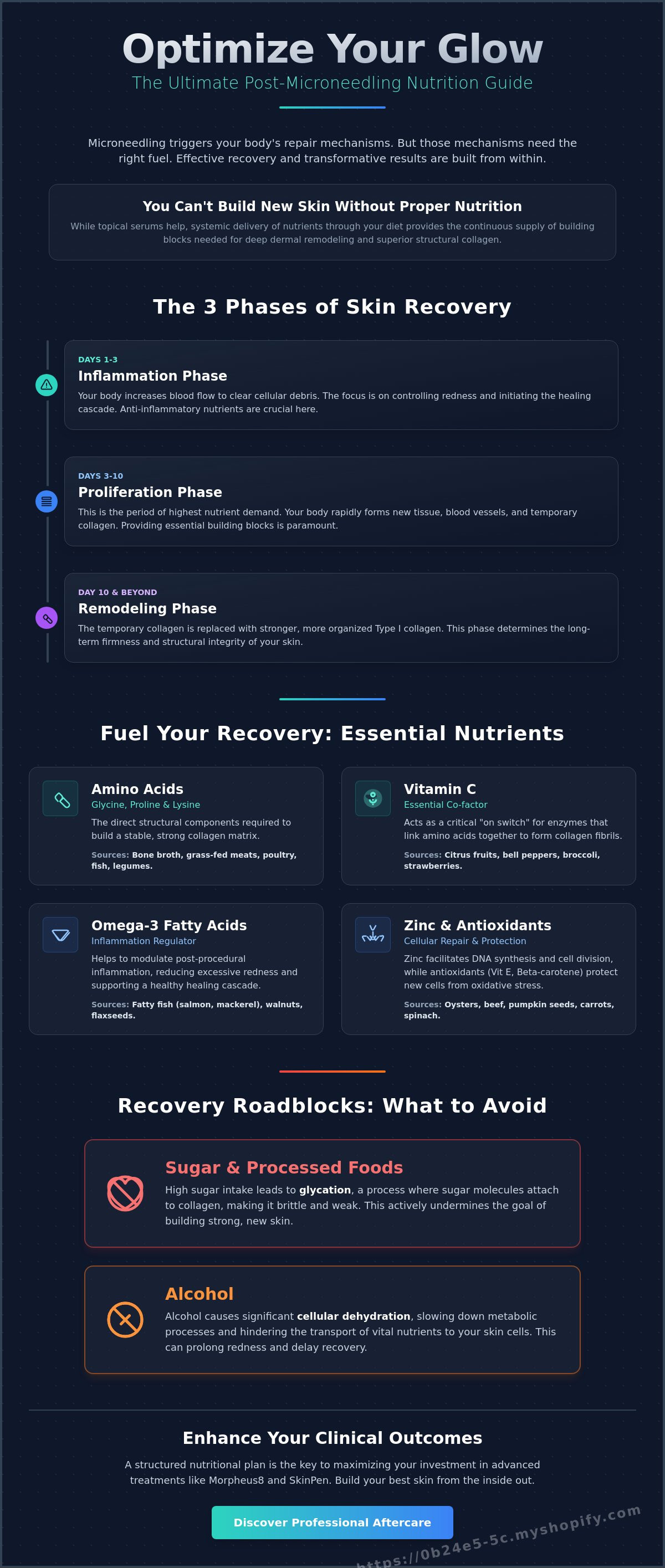
The skin's recovery follows a strict chronological order. During the Inflammation phase (Days 1-3), the body focuses on clearing cellular debris and increasing blood flow. This is when specific nutrients can help modulate redness. The Proliferation phase (Days 3-10) marks the period of highest nutrient demand. This is when new tissue and blood vessels form rapidly. Finally, the Remodeling phase (Day 10 and beyond) involves the maturation of collagen fibers. Maintaining a nutrient-dense diet during this entire window is essential for long-term skin firmness and structural integrity.
Why Topical Serums Aren’t Enough
High-quality topicals are beneficial, but they have physical limitations. Even though microneedling creates open micro-channels, the skin barrier remains a formidable filter. Systemic delivery through the bloodstream is the only way to provide a continuous supply of nutrients to the deep dermis. This internal support is especially critical when complementing advanced Morpheus8 treatments. While the device provides the mechanical and thermal stimulus for change, your diet provides the literal fuel for the transformation. You can't build a house without bricks, and you can't build new skin without proper nutrition.
The Essential Nutrients for Collagen Synthesis and Tissue Repair
Following the cellular disruption of a professional treatment, your body enters a state of heightened metabolic demand. Knowing what to eat after microneedling allows you to provide the specific chemical signals and building blocks required for effective dermal repair. According to the nutritional guidelines for healing established by the Cleveland Clinic, adequate intake of calories and specific micronutrients is vital to prevent delayed recovery and support the formation of new tissue.
Zinc serves as a critical mineral in this process. It facilitates DNA synthesis and cell division, which are the primary activities during the proliferation phase of healing. Without sufficient zinc, the body's ability to generate new skin cells is significantly compromised. Similarly, antioxidants such as Vitamin E and beta-carotene are necessary to protect newly formed, vulnerable skin cells from oxidative stress. This protection ensures that the "healing cascade" remains focused on repair rather than defending against cellular damage.
High-Quality Proteins for Amino Acid Bioavailability
Amino acids are the literal structural components of your skin. Specifically, the body requires glycine, proline, and lysine to build a stable collagen matrix. While the body can produce some of these, providing them through diet increases their bioavailability during peak healing times. High-quality sources like bone broth are particularly effective because they contain collagen-derived amino acids in an easily digestible form. Grass-fed meats, poultry, and plant-based legumes also provide the dense protein required for tissue remodeling. For those receiving professional aesthetician services, maintaining a protein-rich diet ensures the skin has the necessary "bricks" to respond to the treatment's stimulus.
Vitamin C: More Than Just an Immune Booster
Vitamin C is a mandatory co-factor for collagen synthesis. It functions by hydroxylating proline and lysine, a chemical process that "links" collagen fibers together to form a stable triple helix. Without this stabilization, the collagen produced is weak and prone to rapid degradation. While citrus fruits are well-known sources, bell peppers, strawberries, and kiwi often provide higher concentrations of Vitamin C per serving. Timing is also relevant. Consuming these nutrient-dense foods in the first 72 hours post-procedure provides the body with the peak levels of Vitamin C it needs exactly when the proliferation of new tissue begins.
Managing Post-Treatment Inflammation Through Anti-Inflammatory Foods
Inflammation is a necessary component of the healing process. During the first 48 to 72 hours, acute inflammation signals the body to begin tissue repair. However, chronic or excessive inflammation can lead to prolonged redness and discomfort. Selecting the right foods helps manage this heat without suppressing the beneficial biological triggers. When considering what to eat after microneedling, the goal is to choose ingredients that stabilize the cellular environment and reduce the duration of post-procedural erythema. This strategic selection of nutrients supports the skin's transition from the inflammatory phase to the regenerative phase.
Bromelain is a particularly effective enzyme found in pineapple. It has documented properties that help reduce bruising and localized swelling by breaking down proteins that contribute to fluid accumulation. Consuming fresh pineapple or drinking its natural juice during the first few days can visibly decrease the puffy appearance often associated with deeper treatments. This functional approach ensures your recovery remains on schedule and your results are maximized. Bromelain acts as a natural systemic support for the skin's structural recovery.
The Power of Omega-3s
Omega-3 fatty acids are essential for maintaining the lipid barrier of your skin cells. By increasing your intake of these healthy fats, you help the body resolve the inflammatory phase more efficiently. For Bradenton residents, sourcing wild-caught salmon or incorporating walnuts into your daily routine provides a direct supply of EPA and DHA. These fatty acids balance the inflammatory response and keep the skin supple during the initial recovery window. It's equally important to avoid highly processed seed oils for at least 72 hours. These oils are often high in Omega-6, which can exacerbate systemic inflammation and prolong facial redness. Prioritizing what to eat after microneedling involves choosing clean fats that promote cellular health.
Hydration Strategies for the Florida Climate
A disrupted skin barrier leads to increased transepidermal water loss (TEWL). This is the process where moisture evaporates from the skin's surface more rapidly than usual. In the high-intensity Florida sun, this loss can lead to premature peeling and a tight sensation. While plain water is necessary, mineral balance is equally important for cell signaling. Incorporating electrolytes like potassium and magnesium helps your cells retain the moisture they need for structural repair. While the high humidity in Bradenton may make your skin feel damp, it doesn't replace the need for consistent internal hydration to support the deeper dermal layers. Maintaining this internal moisture is critical for skin elasticity during the peeling phase.
Foods and Beverages to Avoid During the Critical Healing Window
While previous sections detailed the building blocks of healthy skin, understanding what to exclude from your diet is equally vital for a successful recovery. Certain dietary choices can actively interfere with the biological repair process or exacerbate post-procedural side effects. When refining your plan for what to eat after microneedling, you must also identify substances that trigger systemic inflammation or lead to cellular dehydration. Eliminating these obstacles ensures that the body's energy remains focused entirely on dermal remodeling and tissue repair.
High-sodium foods and spicy ingredients are two primary categories to avoid during the first 48 to 72 hours. Excess sodium causes the body to retain water, which often manifests as localized puffiness and swelling in the facial area. This can make the post-treatment sensation feel more restrictive and uncomfortable. Similarly, spicy foods act as vasodilators, increasing blood flow to the surface of the skin. This temporary dilation can prolong the "sunburned" appearance and intense heat associated with microneedling, making the recovery phase feel more aggressive than necessary.
The Sugar-Collagen Conflict
Sugar is perhaps the most significant dietary deterrent to high-quality skin repair. When glucose levels rise, a process called glycation occurs. This chemical reaction creates Advanced Glycation End-products (AGEs), which are molecules that bond to collagen and elastin fibers. This bonding causes the fibers to become stiff, brittle, and less resilient. Since the goal of microneedling is to create supple, new collagen, consuming high-sugar foods is counterproductive. Additionally, sugar molecules often compete with Vitamin C for entry into your cells. If your glucose levels are too high, your skin cells may not receive the Vitamin C they need to link collagen fibers together. Be cautious of hidden sugars in "healthy" post-op smoothies, such as added syrups or high-fructose fruit concentrates.
Caffeine and Alcohol: The Dehydration Trap
Alcohol and caffeine present specific risks during the critical healing window. Alcohol acts as a potent vasodilator and blood thinner, which increases the likelihood of pinpoint bruising and prolonged redness. It also causes significant systemic dehydration, robbing the skin of the moisture it needs to remain elastic during the peeling phase. While caffeine is less aggressive, it can disrupt sleep quality. Sleep is the primary period when the body performs cellular repair and hormone regulation. If your rest is compromised, your skin's recovery speed may decrease. Opt for herbal teas or mineral-infused waters to maintain hydration without the physiological stress of stimulants or depressants. For those seeking professional guidance on maintaining a clean recovery environment, you can explore our Organic Skin Care options to complement your internal efforts.
Professional Skin Rejuvenation and Aftercare in Bradenton, Florida
Achieving optimal results from advanced collagen induction therapy requires more than just clinical precision. While the technical application of SkinPen or Morpheus8 creates the necessary stimulus for change, your biological environment determines the quality of the repair. Choosing a reputable spa in Bradenton, FL ensures that your treatment is paired with a professional aftercare strategy. Experts at Organic Skin & Body Med Spa analyze your specific skin type and metabolic needs to provide a customized recovery roadmap. This integration of clinical excellence and internal support is essential for minimizing downtime and maximizing skin firmness.
In the specific climate of Southwest Florida, factors like high UV exposure and intense humidity necessitate a more rigorous approach to both topical and internal care. While topical organic skincare protects the surface from environmental damage, your decisions regarding what to eat after microneedling provide the internal defense against oxidative stress. A professional consultation allows our team to assess your unique skin barrier function. We then recommend the precise nutritional adjustments needed to combat the environmental stressors unique to the Bradenton area, ensuring your "internal-external" connection is fully optimized for success.
Customizing Your Aftercare at Organic Skin & Body
Organic Skin & Body Med Spa supports your journey from the initial treatment through the final remodeling phase. We prioritize organic, medical-grade skincare that protects your nutritional investment by avoiding harsh synthetic chemicals during the vulnerable healing window. To maintain your results long term, we often recommend integrating professional HydraFacial sessions once the initial healing is complete. These sessions help maintain hydration and clear cellular debris, allowing your new collagen to shine. Scheduling a follow-up appointment is also a vital step to track your progress and adjust your skincare routine as your skin matures and firms.
Your Next Steps for Radiant Skin
Adopting a "Collagen Kitchen" approach means viewing your meals as a secondary form of skincare. By providing your body with the amino acids, vitamins, and minerals it needs, you ensure that the micro-injuries created during your session result in high-quality tissue. Use this final checklist for the first 48 hours post-microneedling to stay on track:
- Consume at least 8 to 10 glasses of water with added electrolytes to maintain cellular volume.
- Prioritize lean proteins and bone broth to supply essential amino acids like proline and glycine.
- Avoid all processed sugars and alcohol to prevent glycation and systemic dehydration.
- Increase intake of Vitamin C-rich foods like bell peppers and berries to stabilize new collagen fibers.
- Protect your skin from direct Bradenton sun exposure, even on cloudy days.
Ready to transform your skin with a professional, holistic approach? Book your microneedling consultation in Bradenton today.
Optimizing Your Skin Recovery Journey
Whether you choose the advanced precision of SkinPen Precision Microneedling or the deep remodeling power of Morpheus8 RF Technology, our team is here to guide your recovery. As a top-rated Bradenton Med Spa, Organic Skin & Body Med Spa combines clinical expertise with a functional, holistic approach to aftercare. You don't have to manage the healing process alone. Securing your results requires a commitment to both external protection and internal support. You have the power to influence the speed and quality of your results through intentional dietary choices.
Schedule Your Microneedling Consultation at Organic Skin & Body Med Spa to begin your personalized transformation today. Your skin's most radiant version is within reach.
Frequently Asked Questions
Can I drink coffee after microneedling?
You can drink coffee after your procedure, but you should limit your intake and supplement it with extra water. Caffeine is a natural diuretic that can lead to systemic dehydration, which slows the skin's recovery process. If you choose to consume caffeine, ensure you drink at least 8 ounces of water for every cup of coffee to maintain cellular moisture levels and skin elasticity.
Is it okay to take collagen supplements after the procedure?
It is generally acceptable to take collagen supplements, though prioritizing whole food sources like bone broth is often more effective for bioavailability. These supplements provide the specific amino acids, such as proline and glycine, that your body needs to rebuild the dermal matrix. When deciding what to eat after microneedling, combining supplements with Vitamin C-rich foods ensures the body can actually utilize the supplemental collagen for tissue repair.
How much water should I drink to help my skin heal?
You should aim to drink 8 to 10 glasses of water daily during the first week of recovery. Proper hydration is essential to combat transepidermal water loss and support the metabolic surge required for skin remodeling. In the humid Bradenton climate, maintaining this internal moisture level is especially important to prevent the skin from feeling tight or peeling prematurely during the proliferation phase of healing.
What is the best meal to eat immediately after my appointment?
The best meal immediately after your appointment is a nutrient-dense bowl of bone broth with lean chicken and antioxidant-rich vegetables. This combination provides the essential amino acids for collagen synthesis and the minerals needed for cell signaling. Avoiding high-sodium seasonings or spicy additives in this meal will help prevent additional facial swelling and keep the skin's internal temperature stable during the initial inflammatory phase.
Should I avoid dairy products while my skin is healing?
You should consider avoiding dairy if you have a history of inflammatory skin conditions or hormonal acne. For some individuals, dairy can trigger systemic inflammation that may manifest as increased redness or minor breakouts during the healing window. Choosing plant-based alternatives like almond or coconut milk for the first 72 hours allows the body to focus its resources on repairing the micro-injuries rather than managing a digestive inflammatory response.
Can eating pineapple really reduce my swelling after Morpheus8?
Eating fresh pineapple can effectively reduce swelling after a Morpheus8 treatment because it contains the enzyme bromelain. Bromelain has natural anti-inflammatory properties that help the body break down the proteins responsible for fluid retention and bruising. For the best results, consume fresh pineapple rather than canned versions, as the canning process often destroys the active enzymes needed for clinical recovery and tissue repair.
How long do I need to follow this post-microneedling diet?
You should follow a targeted nutritional plan for at least 7 to 10 days after your session. This timeframe aligns with the proliferation phase of wound healing, which is when the demand for collagen-building nutrients is at its peak. While you can return to a standard diet afterward, maintaining high antioxidant and protein levels for 30 days will support the long-term remodeling of high-quality collagen fibers.
Are there any vitamins I should stop taking before or after my treatment?
You should consult your provider about pausing high-dose Vitamin E or fish oil supplements 3 to 5 days before your treatment. These can act as blood thinners and increase the risk of pinpoint bruising during the procedure. After the treatment, you can resume these supplements as part of your strategy for what to eat after microneedling to help manage inflammation and support the skin's lipid barrier during the final remodeling stage.